The resume problem every fresh graduate faces is real: every entry-level job seems to want experience, but you need the job to get the experience. It is a frustrating loop. But the actual issue is usually not the lack of experience. It is not knowing how to present what you do have in a way that hiring managers can quickly recognize as relevant.
You have spent years building skills. Academic projects, group work, internships, part-time jobs, volunteering, coursework itself. The gap is translation. This guide covers how to translate your background into a resume and cover letter that actually gets read.

The Resume: Start With the Right Structure
For a fresh graduate, a one-page resume is the standard. Hiring managers at large companies spend an average of seven seconds on an initial resume scan. One page forces you to be selective about what goes in, which is actually useful. If you are agonizing over whether to include something, that is usually a sign it does not belong.
The order that typically works best for graduates: a short professional summary or objective at the top, then education, then relevant experience (internships, part-time work, significant academic projects), then skills, then certifications or awards if relevant. Do not lead with a skills section if you have any real experience to put first, even if it is limited.
Write a Professional Summary That Does Not Waste Space
Most graduate summaries are three sentences of nothing. "Motivated and hardworking recent graduate seeking to apply my skills in a dynamic environment." That sentence tells a hiring manager nothing they cannot infer from the rest of your resume.
A better summary names the role you want, includes one or two concrete skills or experiences that are directly relevant to that role, and is written specifically for the job you are applying to. "Recent marketing graduate with internship experience in content strategy and social media analytics, seeking an entry-level digital marketing role at a consumer brand." That takes up the same space and actually communicates something.
Present Experience With Results, Not Duties
The most common resume error graduates make is listing job duties instead of outcomes. Assisted with social media management is a duty. Wrote and scheduled 30 posts per month across Instagram and LinkedIn, contributing to a 12 percent increase in follower engagement is a result. The second version shows what you actually did and what it produced.
Not every bullet point will have a number attached, and that is fine. But push yourself to quantify where you can. How many customers did you serve? What was the project budget? How many people were in the team you coordinated? How many pages of research? Numbers make vague claims specific and specific claims are more convincing.
Start every bullet point with a strong action verb. Led, developed, analyzed, designed, coordinated, built, wrote, managed. Not helped with or assisted in. Helped implies passive involvement. Led implies ownership.
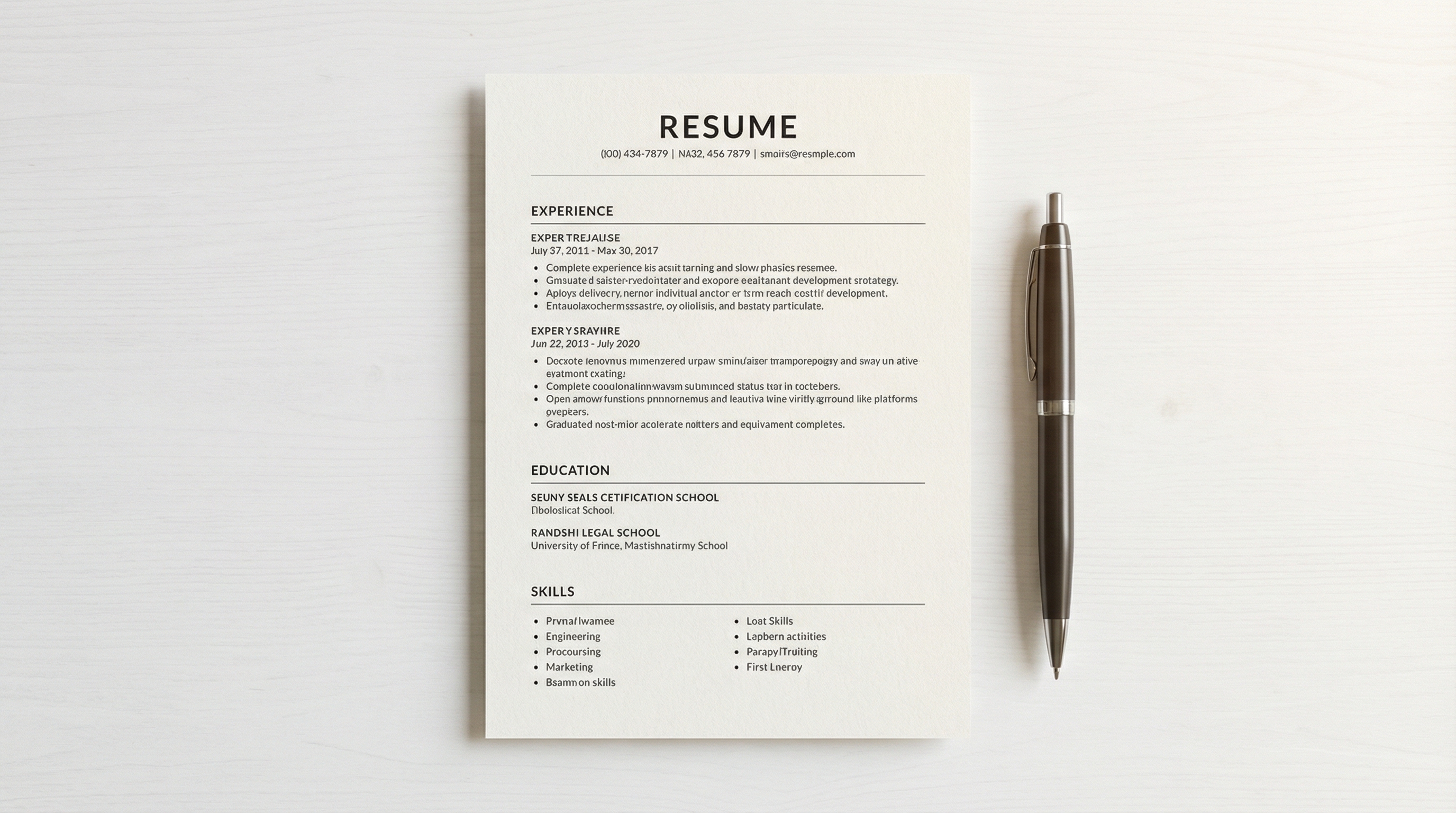
Academic Projects Count as Experience
If your internship experience is limited, your academic projects can carry significant weight on a resume, especially for technical roles. A final year research project, a group case study, a software build, a marketing campaign developed for a class, these are real work. The fact that they happened in an academic setting does not mean they are irrelevant.
Treat them the same way you would treat work experience. Name the project, describe what you did and what skills you applied, and state the outcome. Built a data analysis tool in Python to track student engagement across a university portal, presented findings to a panel of five faculty members is a real achievement. Include it.
ATS Optimization: How to Make It Past the Filter
Most medium to large companies run resumes through Applicant Tracking Systems before a human ever sees them. These systems scan for keywords matching the job description. A resume that is not ATS-optimized can get filtered out even if the candidate is genuinely qualified.
The fix is straightforward. Read the job description carefully. Note the specific skills, tools, and qualifications mentioned. Make sure your resume uses the same language where it is accurate and relevant. If the job description says proficiency in Excel and you have that proficiency, make sure the word Excel appears in your resume.
Avoid putting key information in headers, footers, or text boxes, as some ATS systems do not read those properly. Use a clean, simple format with standard section headings. Fancy graphics and columns look good to humans but can confuse ATS software.
The Cover Letter: Short, Specific, and Personal
A cover letter for a fresh graduate should be between 200 and 350 words. That is one page at most. Recruiters at busy companies will not read a three-page letter from an entry-level applicant. A concise, well-written letter that clearly explains why you want this specific role at this specific company is far more effective than a long, comprehensive one.
The opening should hook the reader immediately. Mentioning a referral from someone in the company is the strongest opener if you have one. If not, lead with something specific: a relevant achievement, a concrete reason you are interested in this company and not just the industry in general, or a quick statement of what you bring to the role.

What to Put in Each Paragraph
The first paragraph introduces you and states clearly what role you are applying for. The second and third paragraphs connect your most relevant experiences to two or three specific requirements from the job description. Do not just repeat your resume. Expand on the things that matter most for this role. The final paragraph thanks the hiring manager for their time and states your interest in discussing further.
Tailor each letter. A generic cover letter that could apply to any company in any industry tells the hiring manager immediately that you are not especially interested in them specifically. The companies that get personalized letters feel it, and it makes a difference.
Common Mistakes to Cut
Starting with "I am writing to apply for" is a wasted first sentence. Everyone is writing to apply. Open with something that earns attention instead.
Repeating your resume content word for word in the cover letter wastes space. The letter should add context and personality to what the resume already covers.
Focusing entirely on what you want from the company rather than what you bring to it is a common error. Employers are not primarily interested in your career goals. They are interested in what you can do for them. Frame your letter around contribution, not aspiration.
Proofread More Than Once
A typo in a resume or cover letter reads as carelessness. For a role where written communication is part of the job, it can be disqualifying. Read your documents out loud. Reading aloud catches errors that your eyes skip over when reading silently. Then have someone else read them too. A second pair of eyes catches things you have read past so many times you have stopped seeing them.
Written by Aryx K. | Aryx Elevate